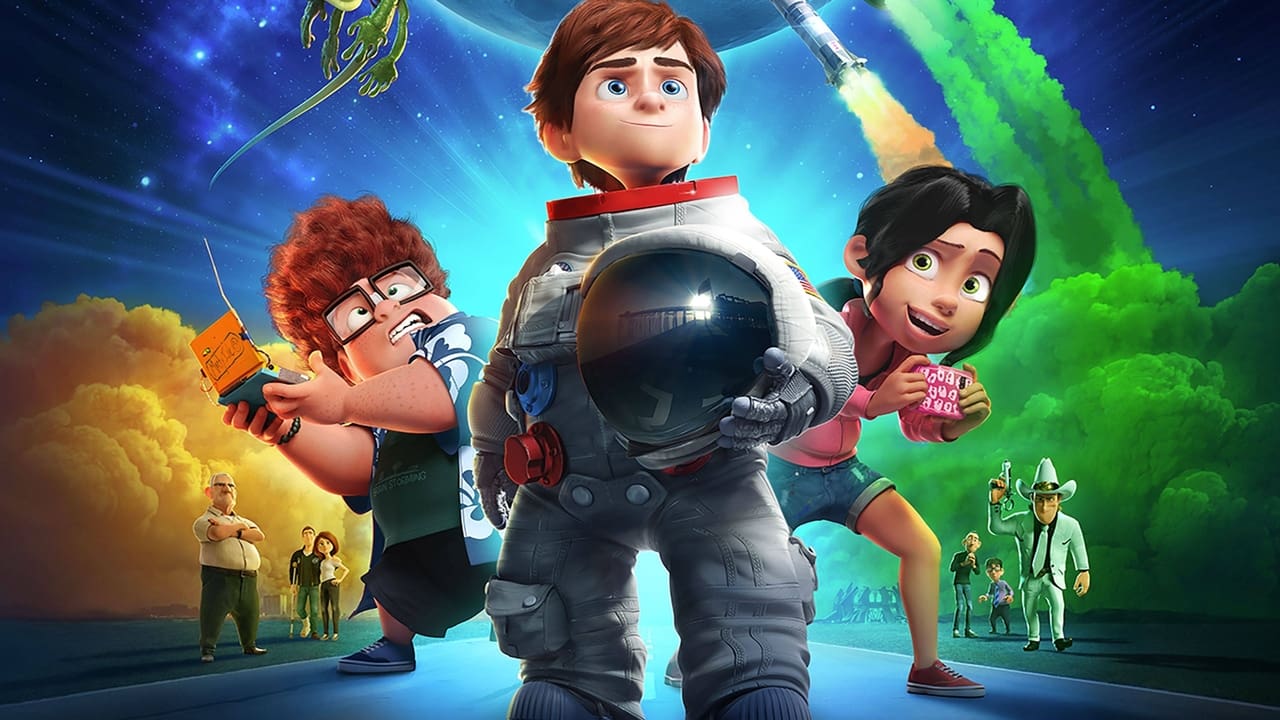
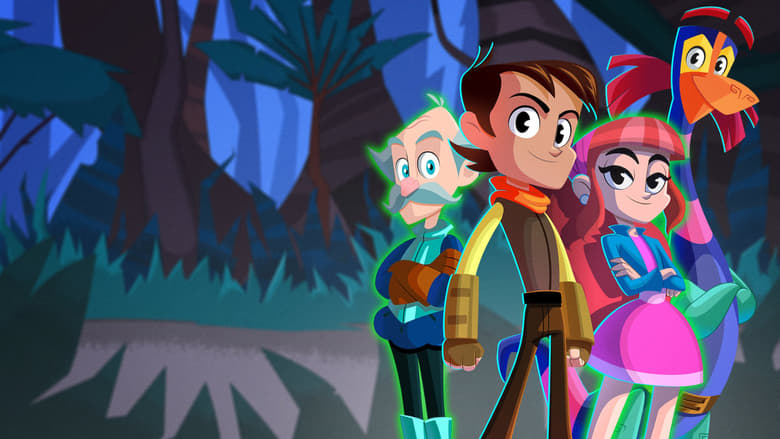
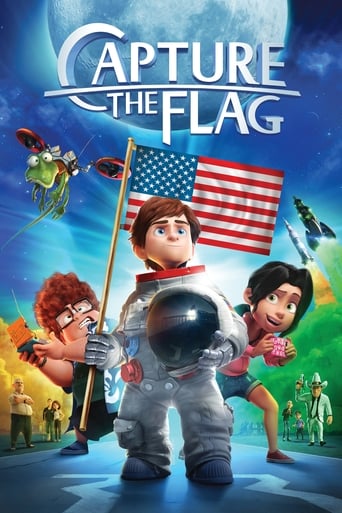
When the brave and determined 12-year-old Mike Goldwing discovers that an eccentric billionaire plans to fly to the moon, steal its vast, valuable natural resources, and destroy the American flag planted by the Apollo XI astronauts during man's historic moon landing, the countdown to a spectacular adventure begins! Mike, teamed with his grandfather, best friends Amy and Marty, and a clever chameleon, blasts off on an incredible moon-bound mission, determined to thwart the billionaire's evil plan, capture the flag, and reunite his family.
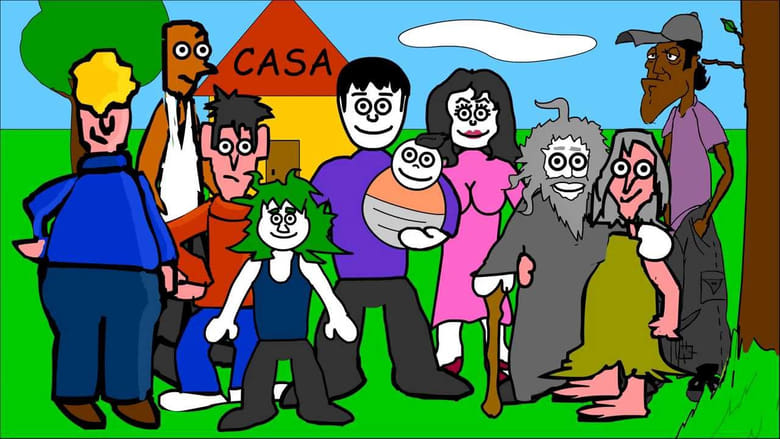
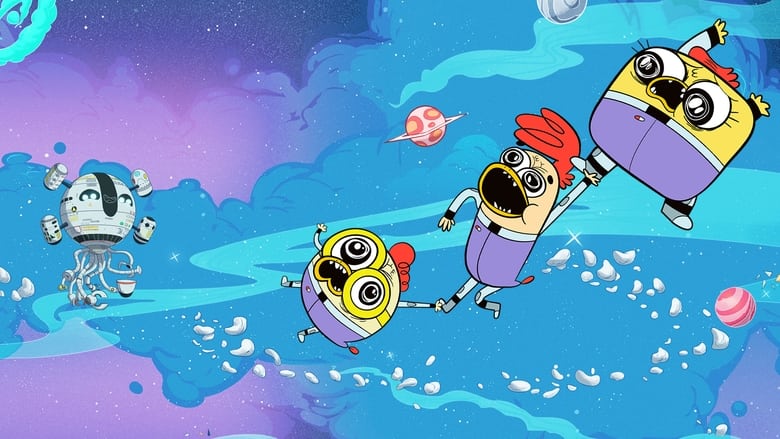
A small egg named Toto decides that he wants to fulfill his purpose in life and become a chicken instead of dying in a frying pan; so he starts a quest to return to the farms along with his new friend, the noisy egg Willy and a crazy bacon stripe. The three friends will face lot of obstacles in their quest.
animeav1: animation in Spanish from Spain, Mexico, Argentina and Latin America, and where to watch it
158 films and series made in Spanish, from the 1942 Upa en apuros to the newest family features: Mafalda, Willy Fog, the Legends of Mexico, Huevocartoon, Tad Jones, Condorito and Bear Story. Search a title and press Watch now.
animeav1: animation in Spanish, from Mafalda, Mortadelo and Filemón and Willy Fog to the Legends of Mexico, Huevocartoon, Tad Jones, Condorito and Bear Story
More than five hundred million people speak Spanish, and for nearly a century they have made their own dibujos animados. Buenos Aires, Madrid, Barcelona and Mexico City each built studios and traditions of their own, and today animators in Santiago, Lima, Bogotá, Montevideo, Havana and Santo Domingo add new voices. animeav1 is a guide to this whole world of animation in Spanish, written in English for viewers everywhere.
Here you will find 158 films and series, from a 1942 short starring the little Patoruzú to the newest family features of 2026. There are the classics of Manuel García Ferré and the comic heroes of Argentina, Quino's Mafalda and Chile's Condorito; the great television series of Spain's BRB Internacional, from David the Gnome to Willy Fog; Mexico's Huevocartoon eggs, the Legends saga and the stop-motion spooks of Frankelda; Spain's Tad Jones and Capture the Flag; Peru's family adventures; and prize-winning short films from Bear Story to The Employment.
Every title has its own page with the story, the studio, the director, the voice cast and, for a series, every episode with its air date, plus a Watch now button that opens it on JustWatch for the country you choose. This page explains how animeav1 is laid out, then travels country by country through the history of animation in Spanish, introducing its artists, studios and most rewarding films.
Why animation in Spanish
Animation in Spanish is wonderfully varied. Argentina has a deep tradition of comic strips and of a single animator, García Ferré, who built a whole world of characters for children. Spain has given the world some of the most widely shown television series of the 1980s and 1990s, along with modern features that win prizes at home and abroad. Mexico has become one of the busiest animation industries in the Americas, with films rooted in its folklore and humour. Chile, Peru, Colombia, Cuba, Uruguay, Bolivia and the Dominican Republic each add their own stories.
These films also carry the culture of the Spanish-speaking world: the Day of the Dead and the legends of colonial Mexico, the gauchos of the Pampas, the medieval knights of Castile, the Basque whalers, the islands of Chiloé and the Andes of Peru. Watching them is a lively way to discover these places, their music and their sense of humour, and for learners of Spanish, an enjoyable way to hear the language in all its accents.
The animeav1 design
animeav1 has a clean, light look. A pale grey header carries the black wordmark with its teal mark, a search pill with a small Filters chip, a few icon links and two square buttons, one for help and one for My List. Below it, a dark hero band presents featured titles one at a time: a large white title, the type and year, outline pills for the genres, a short synopsis, a white Watch button with a round play icon and two square arrow buttons to move between slides.
The Episodes section shows the series with the newest episodes as wide, dark cards. Each card carries a small notched tab at its lower left with the episode number and the date of the latest episode at its lower right, and the series title sits beneath in small capitals. Further down, a white band holds guide cards, each with a small badge, a short description and a teal link, in the style of the comment cards of the original site. The Films and series section and the country shelves show posters five across, each with a notched type tab for film, short or series and the title in bold below.
On a phone, the header folds into a menu button, the hero stacks its text above the image and the grids shrink to two columns, so everything stays easy to use.
How to use animeav1
The quickest way to a title is the search pill. Type a name in English or in Spanish, or part of either, and results appear as you type. The Filters chip opens the Browse page, which lists the whole collection from A to Z. For a series, add a season and an episode, such as The Idhun Chronicles S2E3, to jump straight to that episode.
To explore, scroll the home page or open a shelf. The country shelves gather Spain, Mexico, Argentina and Uruguay, and the Andes and Caribbean; the Legends and spooks shelf gathers myths, monsters and the Day of the Dead; the Short films shelf collects prize-winning shorts; and three era shelves follow the history from the 1940s to today. Save anything you like with Add to My List, which keeps your place in each series and stays in your browser.
When you are ready to watch, open the title page, check the country selector and press Watch now. JustWatch then lists the streaming services, digital stores and free services that carry the title in that country. Spanish-language films often travel between regional services in Spain and Latin America, so the list for Mexico can look quite different from the list for Spain or the United States; the button always shows the current picture for the country you choose.
Argentina: the pioneers
Argentina has one of the oldest animation traditions in the world. In 1917, Quirino Cristiani made El Apóstol in Buenos Aires, often described as the first animated feature film ever made and known today through accounts and stills. A generation later, the cartoonist Dante Quinterno brought his comic hero Patoruzú, a wealthy and generous Tehuelche chief, to animation. On animeav1, Úpa en apuros, from 1942, stars Patoruzú's little brother and is remembered as the first Argentine animated short in colour.
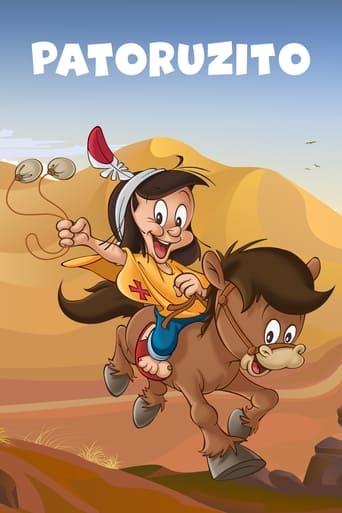
Quinterno's characters returned in the 2000s. Patoruzito follows the young Patoruzú as he faces three tests to prove that he is ready to lead his people, and Patoruzito 2: La Gran Aventura continues his adventures. Isidoro: la película brings back Isidoro Cañones, Patoruzú's carefree godson, a playboy of Buenos Aires with a talent for trouble.
Manuel García Ferré
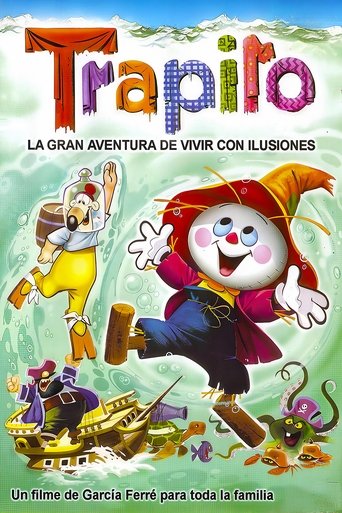
Manuel García Ferré stands at the centre of Argentine animation. A Spanish-born artist, he settled in Buenos Aires and created a whole universe of characters for children. His first feature, Anteojito and Antifaz, A Thousand Attempts and One Invention, from 1972, follows a bespectacled boy and his inventor uncle. Trapito, from 1975, is the story of a scarecrow with a big heart, and Ico, the Brave Horse, from 1983, follows a little horse on a quest through the countryside.
In 1999, García Ferré made Manuelita, inspired by María Elena Walsh's famous song about a turtle who travels to Paris, and in 2000 Corazón, las alegrías de Pantriste continued the story of Pantriste, a gentle, sad-faced character. His films, with their bright colours, songs and kind humour, shaped the childhood of several generations of Argentines, and they remain a lovely introduction to the country's animation.
Mafalda and the comic heroes
Quino's Mafalda, a sharp-witted little girl who worries about the state of the world, the soup on her plate and the future of humanity, appeared in Argentine newspapers from 1964 to 1973 and became one of the most beloved comic strips in the Spanish-speaking world. Her short animated adventures were gathered in Mafalda: The Movie in 1982, and in 1993 the Cuban animator Juan Padrón directed a new series of shorts, gathered in Mafalda. Both keep Quino's simple, expressive drawing and his gentle irony.
Other Argentine comic heroes appear too. Gaturro: The Movie brings Nik's chubby, lovesick cat from the newspaper to the cinema, Martin Fierro: The Movie retells José Hernández's great gaucho poem with the drawings of the cartoonist Roberto Fontanarrosa, and the Dibu films, from Dibu: La película onward, mix live action with an animated boy who became a television star in the 1990s.
Spain: from Garbancito to the Goya
Spain's animation history begins in earnest in Barcelona in the 1940s. The Enchanted Sword, made by Arturo Moreno in 1945, is remembered as Spain's first animated feature and one of the first colour animated features made in Europe. Five years later, Once Upon a Time… retold Cinderella with designs by the artist Alexandre Cirici-Pellicer. In 1966, The Wizard of Dreams brought to the cinema the Telerín family, whose bedtime song ended children's television in Spain for years.
Francisco Ibáñez's comic heroes Mortadelo and Filemón, two hopeless secret agents with a talent for disguise, reached the screen early: Mortadelo and Filemón And The Time Closet is a 1971 feature built from their slapstick adventures. In 1984 and 1988, the Spanish and Mexican coproductions Katy Caterpillar and Katy Meets the Aliens followed a little caterpillar on her journey to becoming a butterfly.
The Basque Country has a lively animation scene of its own. Maite Ruiz de Austri made The Legend of the North Wind, about the Basque whalers of the sixteenth century and their friendship with the native people of Newfoundland, followed by The Return of the North Wind and The Legend of the Unicorn. Juanba Berasategi made Ahmed, The Prince of the Alhambra, a story set in Moorish Granada, and Iñigo Berasategi made an ecological adventure for children about a world that recycles everything. Galicia gave the world Valentina, a gentle musical about a girl with Down syndrome who dreams of becoming a trapeze artist.
Modern Spanish features
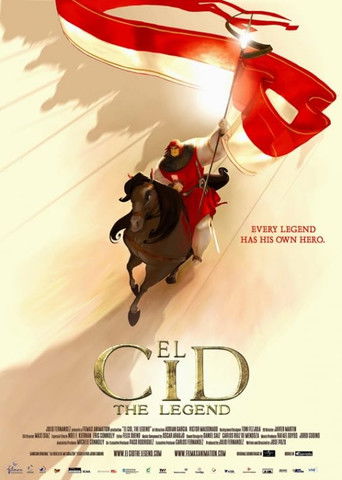
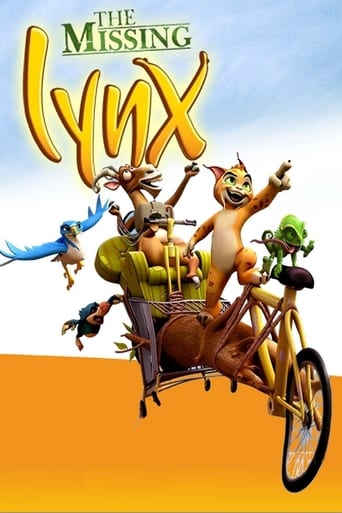
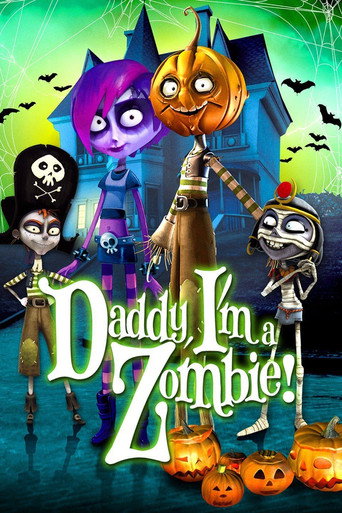
Since 2000, Spanish features have won wide audiences. El Cid: The Legend retells the life of Rodrigo Díaz de Vivar, the medieval hero of Castile, and won the Goya award for animation. Dragon Hill follows a boy who befriends a dragon, and The Missing Lynx, produced by Antonio Banderas, sends a young Iberian lynx and his friends to rescue their kind from a mysterious collector. Midsummer Dream reworks Shakespeare's comedy, and Daddy, I'm a Zombie and Mummy, I'm a Zombie are friendly horror comedies for families.
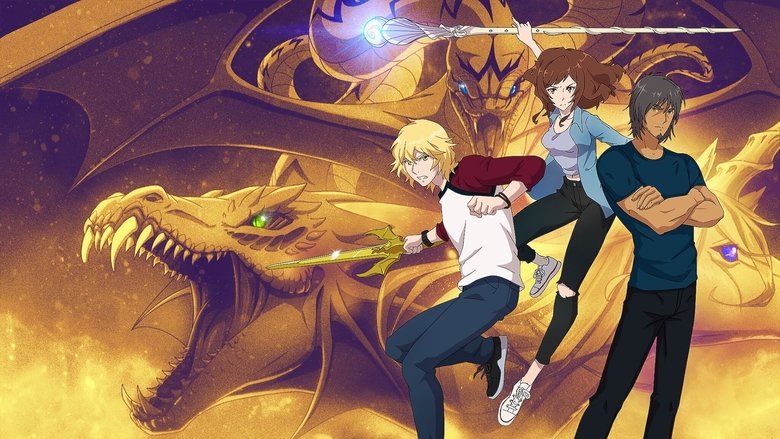
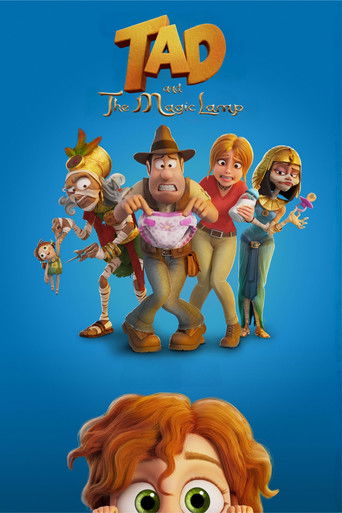
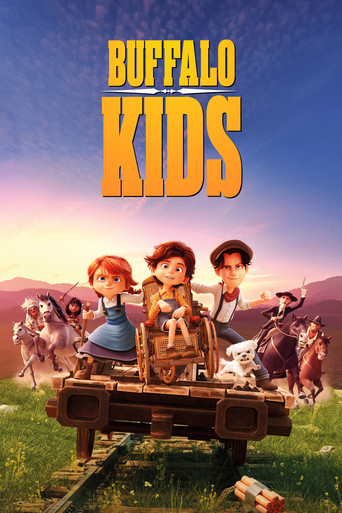
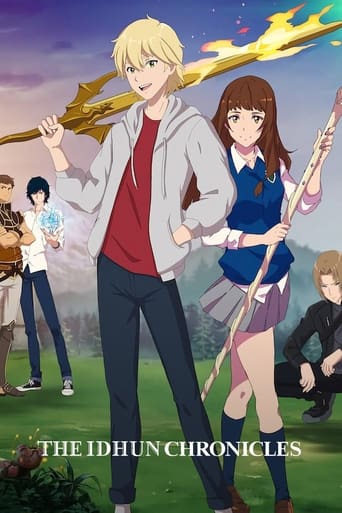
The most successful of all is the Tad Jones saga by Enrique Gato. It began with the shorts Tad Jones and Tad Jones and the Basement of Doom, about a clumsy builder who dreams of being an archaeologist, and grew into a series of features. Capture the Flag, also by Gato, follows a boy and his grandfather on a mission to the Moon to defend the memory of the Apollo landings, and Tad and The Magic Lamp arrives in 2026. Buffalo Kids, from 2024, follows two Irish orphans across the American West, and the Netflix series The Idhun Chronicles adapts Laura Gallego's fantasy novels.
Mexico: eggs, legends and luchadores
Mexico's animation industry grew quickly after 2000. Earlier, the country had made classics such as Los 3 reyes magos, a 1976 Christmas feature about the journey of the Three Kings, and The Adventures of Oliver Twist of 1987, but the new century brought studios with a steady output of features for the cinema and for television.
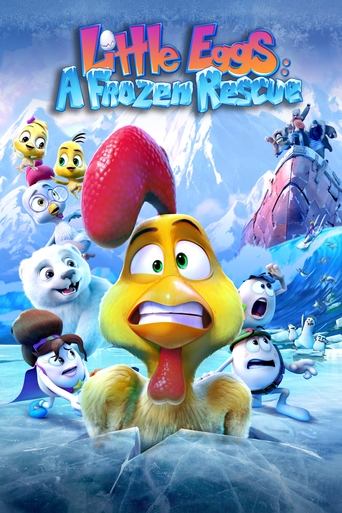
Huevocartoon, created by the brothers Gabriel and Rodolfo Riva Palacio Alatriste, began as short online cartoons about a group of talking eggs and grew into one of the most popular film series in Mexico. A Movie of Eggs, from 2006, follows a little egg named Toto, who dreams of becoming a chicken, Another Egg and Chicken Movie continues the adventures, and Little Eggs: A Frozen Rescue sends the egg family on a chilly new rescue mission. Their gentle slapstick and Mexican wordplay made them family favourites across Latin America.
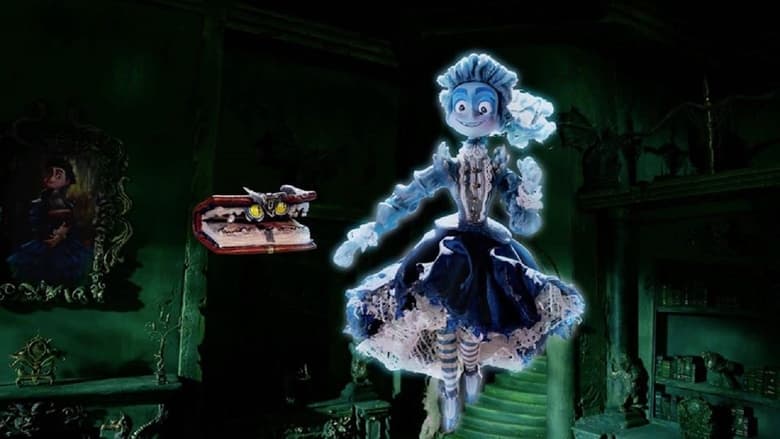
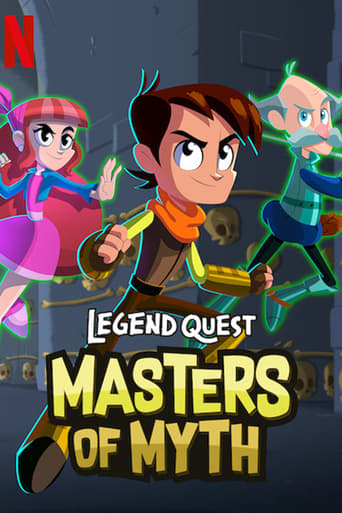
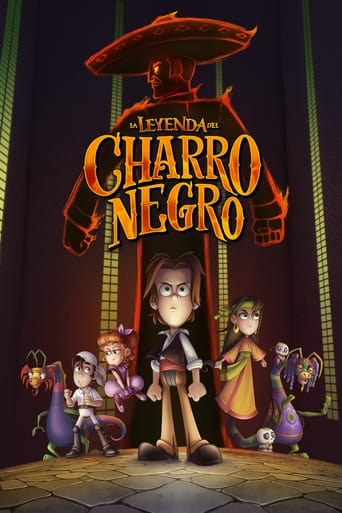
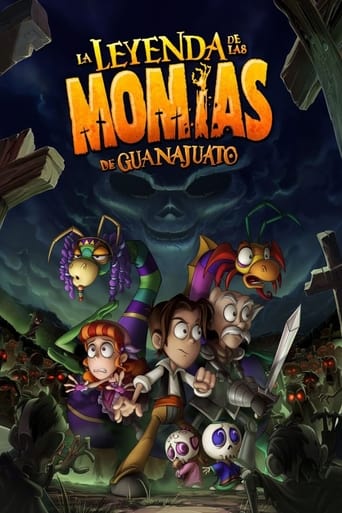
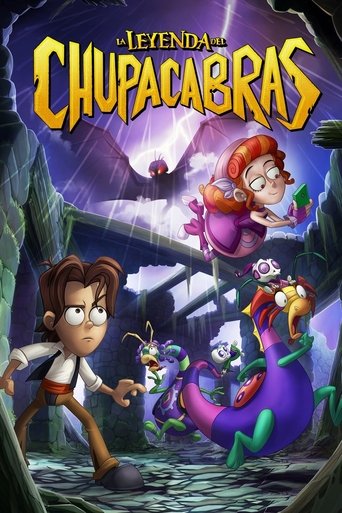
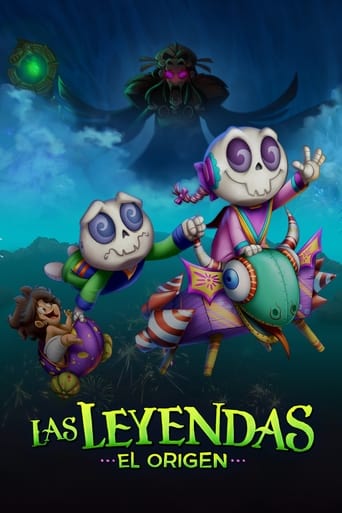
The Legends films are Mexico's most beloved animated series of films. They follow Leo San Juan, a brave boy in nineteenth-century Mexico, and his friends: Teodora, a lively ghost; Don Andrés, a knight in armour who lost his head; and Alebrije, a colourful creature from Mexican folk art. Each film takes them to a famous legend. The Legend of the Guanajuato Mummies visits the mummies of Guanajuato, The Legend of the Chupacabras faces the creature of Latin American folklore, and The Legend of the Black Charro meets the mysterious horseman of Mexican tales. Las leyendas: El origen tells how the friends first met.
The saga mixes humour, adventure and gentle scares, and it is full of Mexican culture, from the music of mariachis to the ofrendas of the Day of the Dead. The Netflix series Legend Quest: Masters of Myth continues their adventures. The Legends and spooks shelf gathers the whole family of films with other spooky favourites.
Frankelda and stop-motion
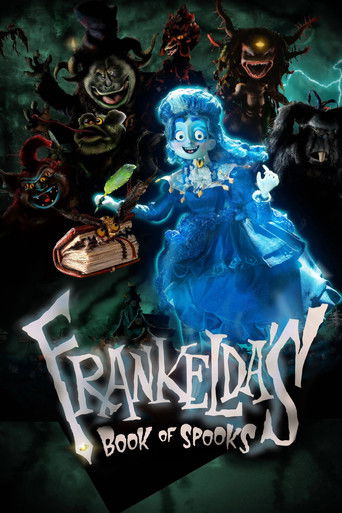
Mexico has also become a home for beautiful stop-motion. Frankelda's Book of Spooks, created by the brothers Arturo and Roy Ambriz at their studio Cinema Fantasma, follows a young writer of ghost stories in nineteenth-century Mexico, whose tales come to life in a series of gently spooky episodes. Its handcrafted puppets and sets are a delight.
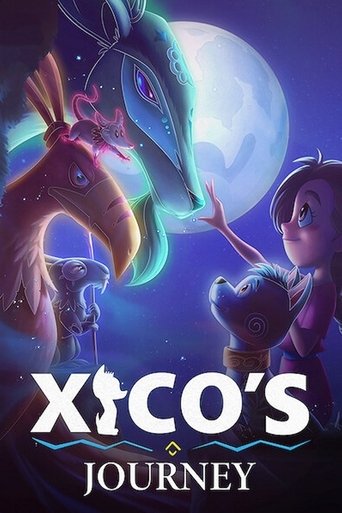
Short films add more treasures. Cerulia by Sofía Carrillo is a delicate puppet film about a woman who returns to her childhood home, and Catalina la Catrina: Especial Día de Muertos celebrates the Day of the Dead with the famous elegant skeleton of Mexican art. Xico's Journey follows a girl, her dog, a xoloitzcuintle, and her friend on a quest to save their mountain, and A Costume for Nicolas tells the story of a boy with Down syndrome who finds his place among a group of friends.
Chile
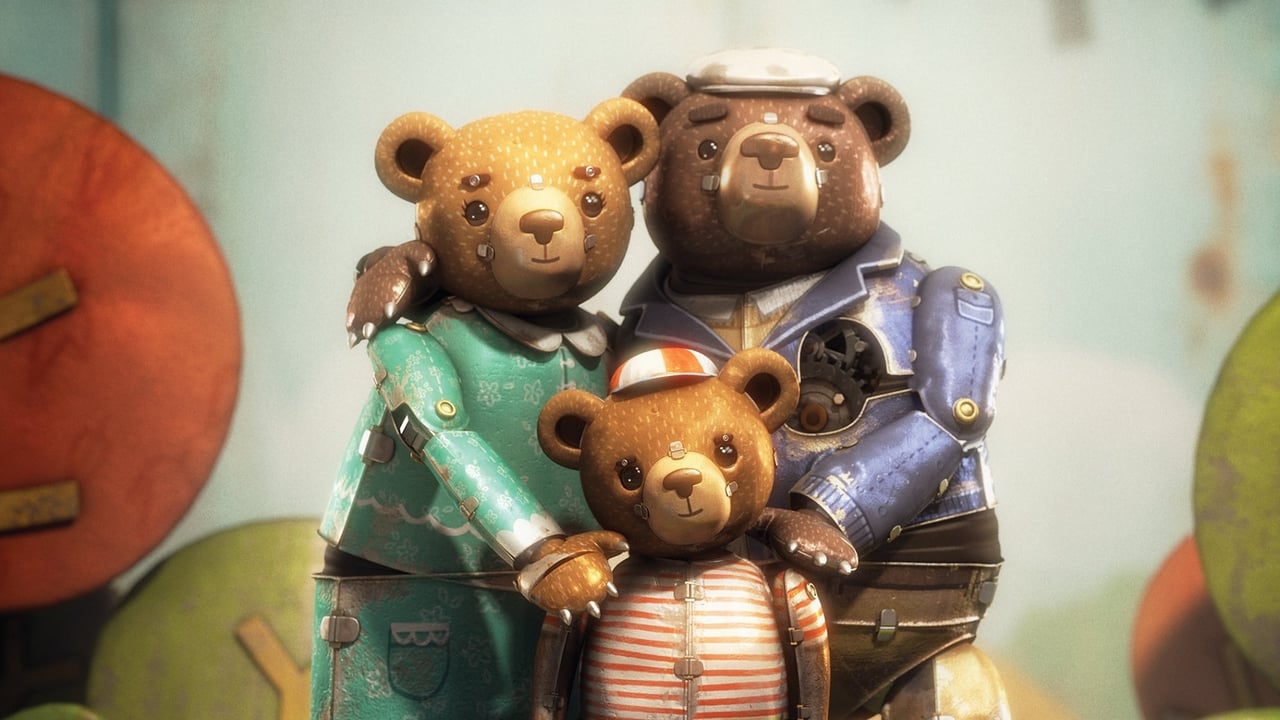
Chile has a small but remarkable animation scene. Its proudest moment came in 2016, when Bear Story, made by Gabriel Osorio and the studio Punkrobot, won the Oscar for best animated short. It tells of an old bear who builds a mechanical theatre to share the story of his life, and of the family he lost to a circus, in delicate computer animation that looks like a tin toy. It was the first Oscar ever won by a Chilean film.
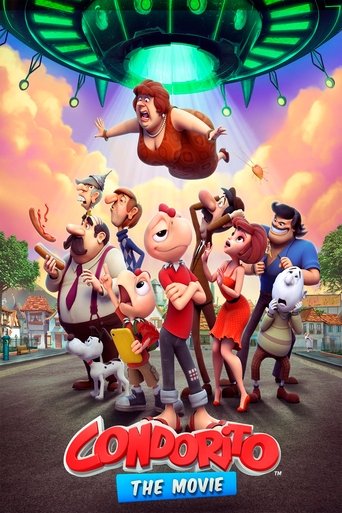
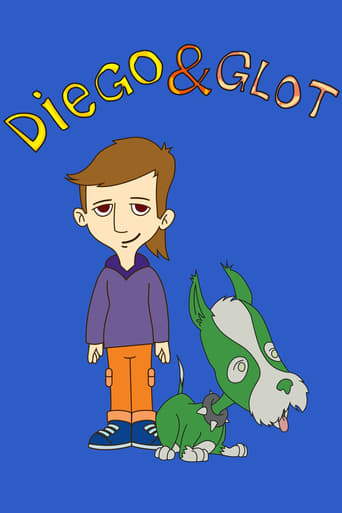
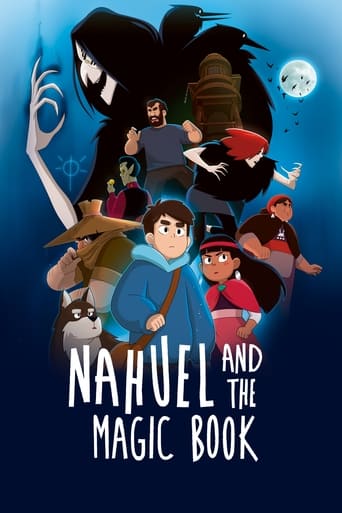
The Chilean comic hero Condorito, a cheerful condor created by the cartoonist Pepo in 1949, finally reached the cinema in Condorito: The Movie in 2017, a coproduction with Argentina, Mexico and Peru. Nahuel and the Magic Book follows a boy on the island of Chiloé who finds a book of spells and must face his fears, drawing on the island's rich mythology. Papelucho y el marciano adapts Marcela Paz's much-loved books about a curious boy, and the series Diego & Glot follows a boy and his pet in gentle adventures. The short The Gift and Freehand show the creativity of Chilean short filmmakers.
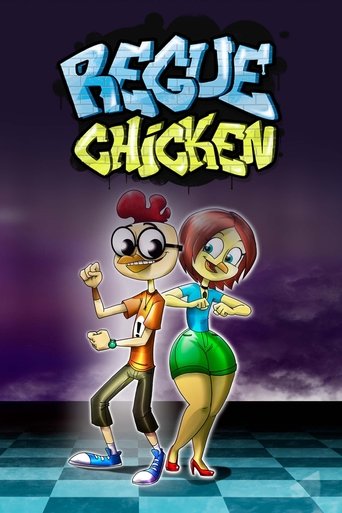
Colombia contributes Bolívar, The Hero, an animated life of Simón Bolívar in a bold comic style, Regue Chicken, a cheerful musical comedy, and Lila's Book, in which a character from a forgotten book falls out of its pages and needs the help of the boy who once read her story, a coproduction with Uruguay by Marcela Rincón. From Bolivia comes Grandmother Cricket, a powerful short about a singing grandmother whose music brings rain, inspired by Andean legends and the struggle for water in Cochabamba.
Cuba, Uruguay and the Dominican Republic
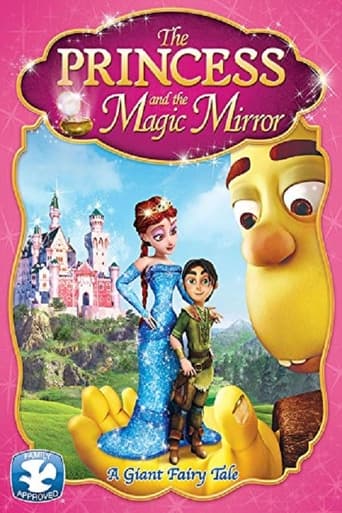
Cuba has a long animation tradition centred on the studios of ICAIC in Havana, where Juan Padrón created the beloved hero Elpidio Valdés and later directed the Mafalda shorts. On animeav1, The Princess and the Magic Mirror is a Cuban fairy tale made with partners in Venezuela and Spain.
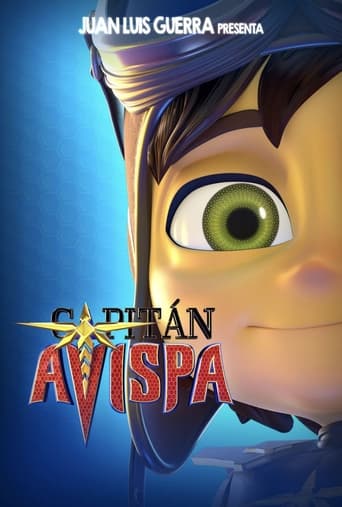
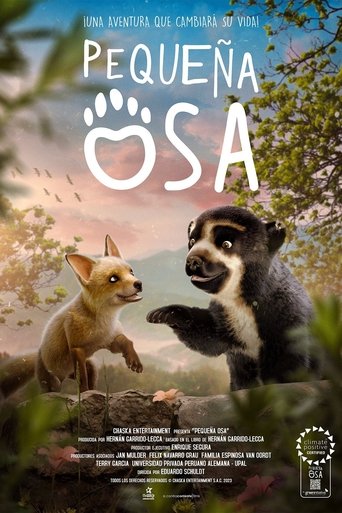
Uruguay's Walter Tournier is a master of stop-motion puppets. His Christmas in the Caribbean and Seven Seas Pirates, the story of the real sailor who inspired Robinson Crusoe, show his warm, handmade style. Jungle Tales, an Argentine and Uruguayan coproduction, adapts the stories of Horacio Quiroga for children. The Dominican Republic made its first animated feature with Captain Avispa, a superhero adventure released in 2024. The Andes and Caribbean shelf gathers all of these.
Argentina today
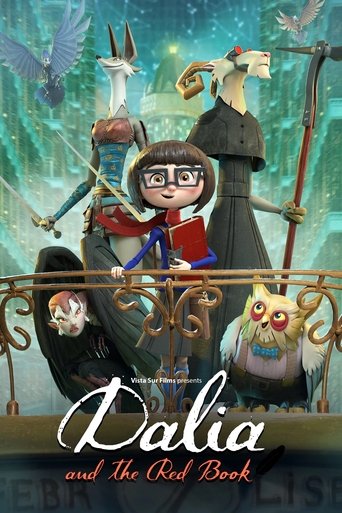
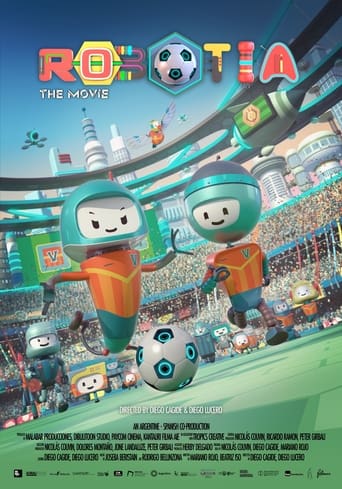
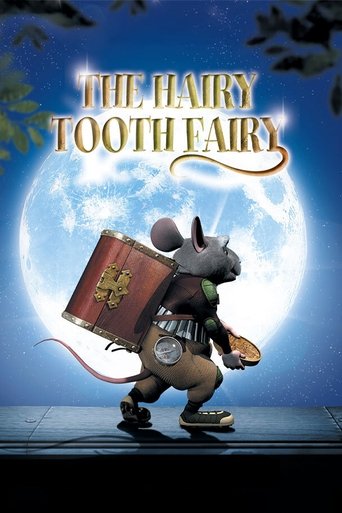
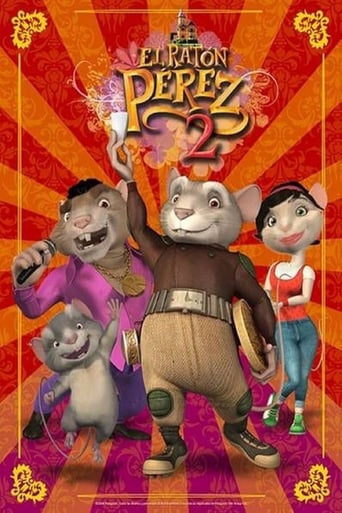
Argentine animation is thriving. The Hairy Tooth Fairy and The Hairy Tooth Fairy 2 mix live action and animation in the story of Pérez, the mouse who collects children's teeth in the Spanish-speaking world. Noah's Ark retells the flood with a comic crew of animals, Bikes follows a young bicycle with big racing dreams, and Dalia and the Red Book sends a girl into the pages of her late father's unfinished novel. Robotia, la película and Mini Beat Power Rockers: The Movie are bright adventures for young children, and Vicenta uses clay animation to tell a moving story about a woman's courage.
Argentina is also a leader in short films. The Employment, by Santiago Bou Grasso, imagines a world in which people serve as furniture, a wordless satire that won awards around the world. Luminaris, by Juan Pablo Zaramella, uses pixilation, the frame-by-frame animation of real people, to tell the story of a man in a world run by sunlight, and Lila follows a dreamy girl who redraws the world around her. Teclópolis and The Little Cat add more inventive shorts. The Short films shelf gathers all of these.
Short films
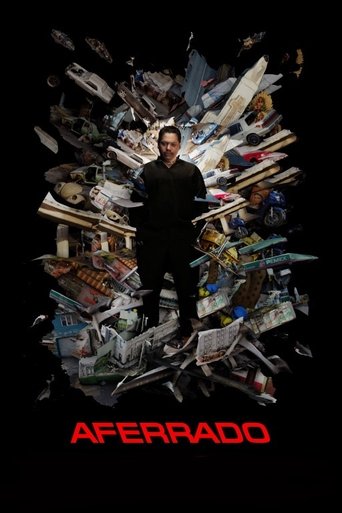
Short films are where many animators in the Spanish-speaking world try new ideas. From Spain, Strings, by Pedro Solís, tells of a girl who befriends a new classmate with cerebral palsy, and won the Goya for best animated short; La Noria, by the Pixar animator Carlos Baena, is a striking short made with artists from around the world; and Friendsheep shows the creativity of the Valencian studios. From Mexico, The Hero, by Carlos Carrera, won the Palme d'Or for short film at Cannes in 1994, and The Cats and Aferrado are more recent highlights.
From Chile, Bear Story and The Gift; from Argentina, The Employment and Luminaris; from Bolivia, Grandmother Cricket: together they make a superb evening of short films, each only a few minutes long. Many shorts appear free on festival and studio channels after their festival run, and the Watch now button lists every official option.
Through the eras
The Before 1990 shelf gathers the pioneers: Patoruzú's brother, Garbancito, the Telerín family, Mortadelo and Filemón, García Ferré's Anteojito, Trapito and Ico, the Three Kings and the first Mafalda film. The 1990 to 2009 shelf follows the television classics of BRB, the Basque films, Manuelita, Dibu, El Cid, the Huevocartoon eggs, Patoruzito and the first Peruvian features. The Since 2010 shelf, the largest, holds the Legends saga, Tad Jones and Capture the Flag, Condorito, Bear Story, Frankelda, The Idhun Chronicles and the newest films.
Moving from one shelf to the next shows how animation in Spanish has changed: from hand-drawn cels to computer animation, from national markets to worldwide streaming, and from a handful of pioneers to busy studios in a dozen countries.
Two kinds of Spanish
Spanish sounds different on each side of the Atlantic, and animation shows it beautifully. Films from Spain use Castilian Spanish, with its distinctive pronunciation and vocabulary; films from Mexico, Argentina, Chile, Peru and Colombia use the accents of their own countries, from the soft Mexican intonation to the musical rhythm of the River Plate. For many viewers, part of the pleasure of these films is hearing the language in all its variety.
The Spanish-speaking world also has a long tradition of dubbing. For decades, Mexican studios have dubbed foreign cartoons into a neutral Latin American Spanish that children across the continent grew up with, while Spain records its own Castilian versions. Many of the films on animeav1 also have English dubs or subtitles, and the Watch now page shows which versions each service offers in your country.
Learning Spanish with animation
Animated films are a friendly way to learn Spanish. The stories are clear, the pictures help you follow, and children's films often use simple, well-paced speech. Start with films for young children, such as Manuelita, Trapito, Katy Caterpillar or A Movie of Eggs, then move to adventures such as Capture the Flag and Condorito: The Movie.
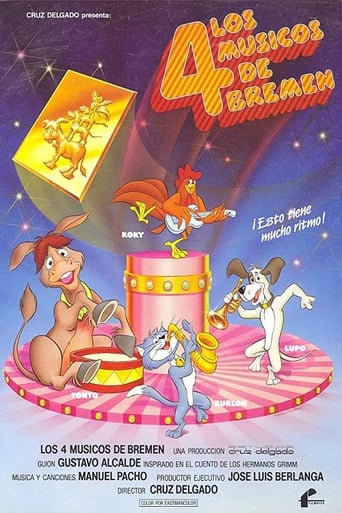
A good method is to watch first with subtitles in your own language, then with Spanish subtitles and finally with Spanish audio alone. Try a film from Spain and one from Mexico or Argentina to hear the difference in accents. The Spanish title on each film page is a useful first word to learn, and songs from musicals such as Town Musicians of Bremen or Manuelita are easy to remember.
Animation in Spanish has its own network of studios and festivals. In Spain, the Goya awards include a prize for the best animated feature and short, and festivals such as Animayo in the Canary Islands and the Weird Market in Valencia bring the industry together. In Latin America, the Quirino Awards, named after Quirino Cristiani, celebrate Ibero-American animation each year, and festivals in Mexico, Argentina, Chile and Colombia showcase new work.
Studios range from large companies such as Ánima Estudios in Mexico and Lightbox in Madrid to small independent workshops making stop-motion films in Guadalajara, Montevideo or Santiago. Many young artists train at universities and schools in Barcelona, Madrid, Buenos Aires and Mexico City, and many work for international studios too. Following a studio or a festival's prize list is a fine way to discover new favourites.
A century in brief
The story of animation in Spanish begins early. In Buenos Aires in 1917, the Italian-born Quirino Cristiani made El Apóstol, a political satire drawn with cut-out figures, and in 1931 he added sound to his work. In Spain, the 1930s and 1940s saw studios in Barcelona and Madrid produce short cartoons for cinemas, and in 1945 Arturo Moreno made the first Spanish animated feature. Mexico's early cartoon studios grew up alongside its golden age of cinema, and Cuba founded the animation department of ICAIC soon after 1959.
The 1960s and 1970s belonged to a handful of determined artists. In Argentina, Manuel García Ferré built his own studio and his own characters, from Anteojito to Hijitus, and made features that filled cinemas during the school holidays. In Spain, the Estudios Moro created the Telerín family and many of the country's best-loved television advertisements. Comic strips, which were hugely popular across the Spanish-speaking world, provided a constant source of heroes, from Mafalda and Patoruzú to Mortadelo and Filemón.
The 1980s and 1990s brought television animation on a global scale. BRB Internacional in Madrid partnered with Japanese studios to produce series that were shown in dozens of countries, and Spanish dubbing studios grew alongside them. In Latin America, television stations commissioned local series, and new studios opened in Mexico, Argentina and Chile. Cuba's Juan Padrón made features and series that became classics across the region.
Since 2000, digital tools have transformed the field. Computer animation made features affordable for smaller studios, and countries such as Peru, Colombia and the Dominican Republic made their first animated features. Mexico's Ánima Estudios and Huevocartoon, Spain's Lightbox, Ilion and Filmax and Argentina's Illusion Studios have released film after film, while streaming services commission series such as The Idhun Chronicles and Legend Quest for worldwide audiences. Short films have flourished too, winning prizes from Cannes to the Oscars. animeav1 gathers titles from every chapter of this story.
Humour and heart
One thread runs through much of animation in Spanish: humour. Argentine comic heroes are famous for their wit, Mafalda for her sharp questions and Isidoro for his comic vanity. Mexican films love wordplay and slapstick, from the egg puns of Huevocartoon to the gentle comedy of the Legends saga, where scary moments always end in laughter. Spanish films such as Mortadelo and Filemón and the Tad Jones saga are full of slapstick and chases.
Alongside the humour comes a great deal of heart. Many of these films celebrate family, friendship and community: grandparents and grandchildren, neighbours who help each other, children who stand up for what is right. Others celebrate the land itself, from the mountains of Mexico to the islands of Chiloé and the forests of Spain. Watching them together is a warm way to share a little of the spirit of the Spanish-speaking world.
Animation for every generation
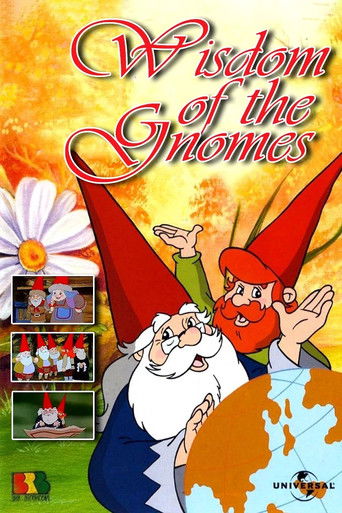
A special quality of animation in Spanish is how it links generations. Grandparents in Buenos Aires remember queuing for García Ferré's films in the school holidays; parents in Madrid remember David the Gnome and Willy Fog on afternoon television; and children in Mexico City today know every line of the Legends films. Sharing these favourites across the generations is one of the joys of the collection.
Many families who have moved abroad use animation to keep their language and culture alive at home. A film from the country of a parent or grandparent can spark questions about family history, favourite foods and places to visit, and help children feel connected to their roots. The country shelves on animeav1 make it easy to find films from a particular place, and the Watch now button shows where to watch them wherever the family lives today.
For teachers, too, these films are a valuable resource. A short film can open a Spanish lesson, a legend film can introduce a unit on festivals and traditions, and a historical film such as El Cid or Bolívar can bring a period to life before a class reads about it.
Folklore on screen
Animation has given new life to the folklore of the Spanish-speaking world. Mexican films draw on legends that every child knows: the weeping woman of the rivers, the mummies of Guanajuato, the mysterious horseman known as the Black Charro and the chupacabras of rural tales. Andean films draw on the myths of the mountains and the Pachamama, the island of Chiloé gives Nahuel its sea creatures and spells, and the Basque films recall the whalers who sailed to the far north.
The Day of the Dead is one of the most beautiful of these traditions. Each year at the start of November, families in Mexico build ofrendas, altars decorated with marigolds, candles, photographs and favourite foods, to welcome the souls of loved ones who have died. Animation is a gentle way to explain this celebration to children, with its colourful skeletons, sugar skulls and messages of remembrance. The Legends films and Catalina la Catrina are full of these images.
Music and song
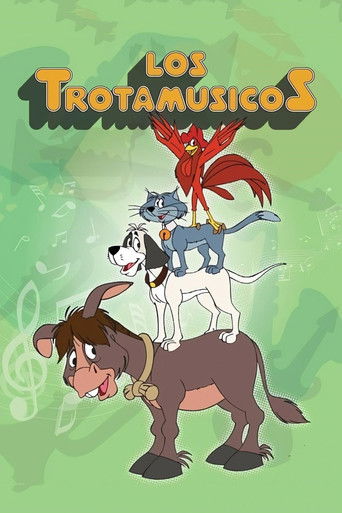
Music is part of the identity of animation in Spanish. García Ferré's films are full of songs, and Manuelita is built around one of the most famous children's songs in Argentina, written by María Elena Walsh. The Telerín family's bedtime song is remembered by generations of Spanish children, and Los Trotamúsicos turned the Grimm tale of the Bremen town musicians into a musical tour of the world.
Mexican films often feature mariachi music, boleros and cumbia, and Colombian and Caribbean films bring the rhythms of their own regions. Listening to a film's songs before or after watching is a fine way to remember the story, and for learners of Spanish, songs are among the easiest ways to pick up new words and phrases.
Techniques and styles
The collection spans every technique. The early features were drawn by hand and painted on cels; Juan Padrón's Cuban films use a bold, simple line; and the BRB series of the 1980s show the influence of their Japanese partners. Walter Tournier in Uruguay and the Ambriz brothers in Mexico make stop-motion with handcrafted puppets, while Sofía Carrillo's shorts use delicate puppets and found objects.
Computer animation dominates the newest features, from the polished Tad Jones films to the Peruvian adventures of Eduardo Schuldt, and some films mix techniques: The Hairy Tooth Fairy and Dibu combine animation with live action, and Luminaris uses pixilation, animating real actors frame by frame. Comparing these styles shows how much freedom animation gives to artists, and how the same tradition can look completely different from one country to the next.
A family film evening
Animation in Spanish makes a fine family evening. Choose a theme: a country, a legend, a hero or a holiday. Begin with a short film, such as Bear Story or Strings, follow it with a feature and finish with an episode of a series. A Mexican evening might pair The Legend of the Black Charro with an episode of Frankelda's Book of Spooks; an Argentine evening might pair Manuelita with the Mafalda shorts.
Add a little culture to make it special: a recipe from the country of the film, a song to learn together or a map to find where the story takes place. Let each family member choose a film in turn, and keep the plan in My List. Children love to discover that the same language is spoken in so many places, each with its own stories.
Holidays and seasons
Several films on animeav1 suit special times of year. Los 3 reyes magos tells the story of the Three Kings, whose feast on the sixth of January is the high point of the Christmas season in Spain and much of Latin America, when children receive their presents. Christmas in the Caribbean brings a festive story to a tropical setting. Around the first and second of November, the Legends films and Catalina la Catrina suit the Day of the Dead, and the spooky stories of Frankelda are perfect for a gentle autumn evening.
Summer holidays call for big adventures such as Capture the Flag, Buffalo Kids or the Willy Fog films, and a rainy afternoon is ideal for the classics of García Ferré. Building a calendar of films around the year is a lovely family tradition, and My List makes it easy to plan.
Make your own animation
Watching animation often inspires children to make their own, and it is easier than it sounds. A flip book needs only a small notepad and a pencil: draw a figure in a slightly different position on each page and flip quickly to see it move. For stop-motion, use a phone on a steady stand, a few toys or modelling clay and a free app: move the figures a tiny amount between photographs and play them back.
The short films on animeav1 show how much can be done with simple means: Luminaris animates real people, Grandmother Cricket uses expressive drawings and Walter Tournier's films use handmade puppets. A family project inspired by one of them, perhaps a short legend from your own town, can be a wonderful way to spend a weekend and a great opening film for the next family evening.
Books and comics behind the films
Many films on animeav1 begin on the page. Quino's Mafalda, Nik's Gaturro, Pepo's Condorito, Quinterno's Patoruzú and Ibáñez's Mortadelo and Filemón all started as comic strips read by millions in newspapers and magazines. Reading a collection of strips before watching the film is a fine way to meet the characters, and many libraries in the Spanish-speaking world keep these collections on their shelves.
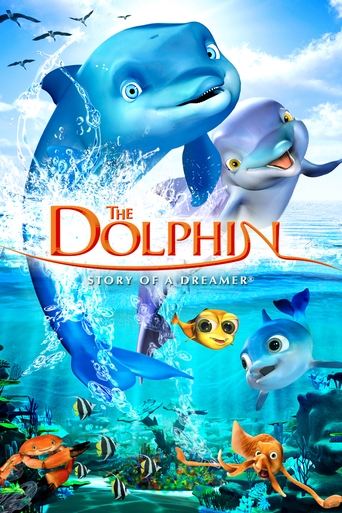
Novels and stories inspire other films. Laura Gallego's fantasy novels became The Idhun Chronicles, Marcela Paz's books gave the world Papelucho, Horacio Quiroga's tales for children became Jungle Tales, Sergio Bambarén's novel became The Dolphin and José Hernández's epic poem became Martín Fierro. The Basque and Mexican legend films retell stories that grandparents have told for generations.
Pairing a book with its film is a rewarding habit for families and for learners of Spanish alike. Children enjoy comparing the pictures in their heads with the images on screen, and older readers can discuss what changed between the page and the film. Together, books and films open a wide window onto the stories of the Spanish-speaking world, from the comic strips of Buenos Aires to the legends of colonial Mexico.
Comic festivals and book fairs across Spain and Latin America often hold screenings of these films, and meeting the artists in person is a memorable experience for young fans who love to draw.
Every title on animeav1 is chosen by hand. The editors start from animated films and series made in Spanish, read each story and keep the collection focused on family films, comedies, adventures, classics and short films that a wide audience can enjoy. The collection is also designed to complement the other guides in the same family, so it gathers titles those guides leave free.
Information on each page comes from TMDB, the community database of film and television, and grows as contributors add episodes, posters and cast lists.
Watching today
Animation in Spanish reaches viewers through many doors. Global streaming platforms carry many recent features and series; regional services in Spain and Latin America hold large catalogues of local films; public broadcasters share children's series on their own sites; and digital stores sell and rent many of the features. Some older films and shorts appear on free services with adverts or on festival channels.
Rights are agreed country by country, so the services in Mexico may differ from those in Spain, Argentina or the United States. Choose your country, press Watch now and JustWatch shows the offers there. Watching on official services supports the artists and studios who keep this tradition alive.
Welcome
Thank you for visiting animeav1. Whether you grew up with Mafalda, David the Gnome or the Huevocartoon eggs, or you are discovering animation in Spanish for the first time, there is a story here for you. Search a title, follow a country shelf, keep your finds in My List and come back whenever the Episodes section shows something new.
Questions
What is animeav1?
animeav1 is a guide to animation made in Spanish: 158 films and series from Spain, Mexico, Argentina and Latin America, with a Watch now button for each title.
What does dibujos animados mean?
Dibujos animados is the Spanish term for cartoons, literally animated drawings.
Which titles suit young children?
Manuelita, Trapito, Katy Caterpillar, A Movie of Eggs, Capture the Flag and the Willy Fog films are ideal for young children.
What are the Legends films?
They are a Mexican series of animated features about the boy Leo San Juan and his ghostly friends, each based on a famous legend, from the Guanajuato mummies to the Black Charro.
Which animated film from Chile won an Oscar?
Bear Story, by Gabriel Osorio, won the Oscar for best animated short in 2016, the first Oscar for a Chilean film.
Are English versions available?
Many films have English dubs or subtitles. The Watch now page shows the audio and subtitle options for your country.
How does the Watch now button work?
Choose your country and press Watch now. JustWatch opens with the subscription, rental, purchase and free services that carry the title there.
How do I save titles for later?
Press Add to My List on any page. My List lives in your browser and can be exported to a small file for another device.
Can I search in Spanish?
Yes. Type the Spanish or the English title, or part of either.